Podcast: Play in new window | Download
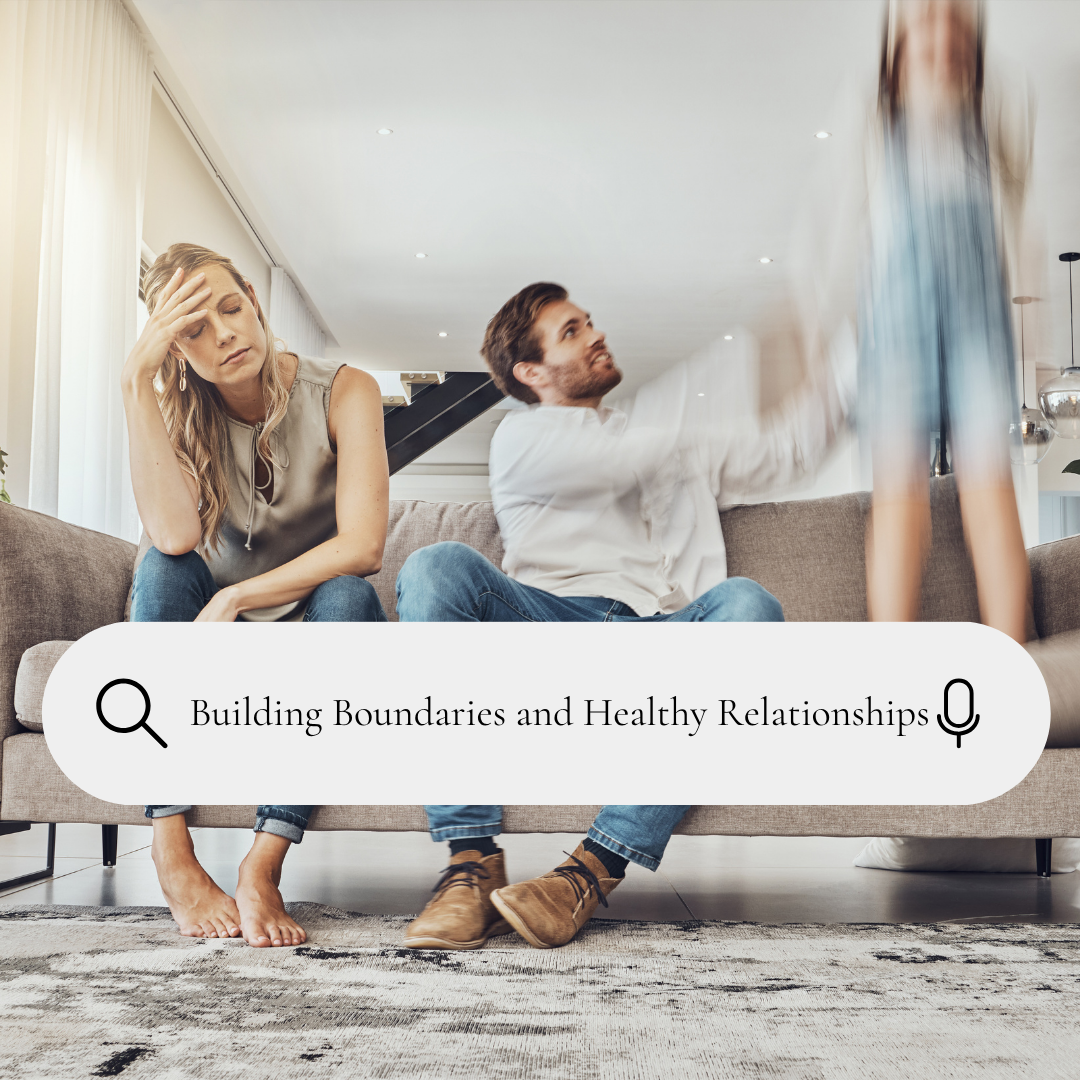
Whether our own mothers were emotionally unavailable, overly controlling, or simply doing their best within a culture that silenced their voices, the Mother Wound shows up in our present-day homes. It reveals itself when we avoid conflict at the expense of our needs, when we martyr ourselves to keep the peace, and when we struggle to feel like we’re ever enough—as mothers, as partners, as women. Building boundaries and healthy relationships is how we begin to break this cycle, reclaim our voices, and model something new for the next generation.
Many of us step into motherhood carrying unspoken messages from our childhood: be good, don’t make waves, put others first. These beliefs are often passed down unconsciously, shaped by generations of women who weren’t allowed to fully express themselves or have their needs honoured. This inheritance has a name: the Mother Wound.
But the good news? This cycle can be broken. We can learn to build relationships rooted not in fear or obligation, but in honesty, empathy, and mutual respect. And it begins with healing.
Why Building Boundaries and Healthy Relationships in Your Homeschool Matter
The homeschool lifestyle magnifies whatever relational patterns we already carry. When you’re with your family nearly all day, every day, there’s little room to avoid difficult emotions or outdated dynamics. Maybe you notice you’re quick to people-please your partner, just to avoid tension. Or you overreact when your child expresses anger—because anger wasn’t allowed in your childhood. These are often signs of unresolved wounds surfacing in real time.
Healing the Mother Wound allows us to parent from a grounded place—not from reactivity or inherited patterns, but from clarity, courage, and connection.
Healing the Mother Wound allows us to parent from a grounded place—not from reactivity or inherited patterns, but from clarity, courage, and connection.
Listen to the episode on Healing the Mother Wound.
As a dear counselor and friend once told me, “Relationships are living, breathing organisms that need continual feeding and nurturing.” This is true of your relationship with your partner, your children, and most importantly, yourself.
Tools and Strategies for Building Boundaries and Healthy Relationships
Active Listening with Emotional Attunement
Listen not just with your ears but with your heart. Validate what your child or partner is really trying to express—even if they’re clumsy with their words. This kind of attuned listening begins to rebuild what the Mother Wound once fractured: the right to be seen and heard.
Try this: During one conversation today, reflect back what you hear without offering advice. “You’re feeling ___ because ___” is a powerful sentence starter.

Boundaried Communication in Conflict
We often weren’t taught how to express ourselves without guilt or self-erasure. Use “I” statements to stay present and honest. And if things go sideways, model a redo: “That came out harsh. Let me try again.”
Pro tip: Practice your “I” statements during calm moments—not just in conflict. It’s easier to access respectful, boundaried language when it’s already familiar. Try scripting or journaling typical conflict scenarios and how you’d like to respond, so you’re more prepared in the moment.

Emotion Regulation as a Family Practice
When big feelings arise, create space to process—and try to do it without judgment. Teach your kids (and yourself) that all emotions are welcome, even the messy ones. That’s how we undo emotional suppression passed down to us.
Exercise to try:
Model naming your own emotions out loud: “I’m feeling overwhelmed right now, so I’m going to take a few deep breaths.” This normalizes emotional awareness and gives your kids a blueprint for self-regulation. Over time, it creates a family culture where feelings are seen, not silenced.

Eyeball-to-Eyeball Time
Children with present, emotionally available parents grow up with secure attachment. Make intentional one-on-one time a ritual—not just a reaction when something’s “wrong.”
Pro Tip: Choose a consistent, low-pressure moment each week—like a morning walk, bedtime chat, or shared hobby—as your “connection ritual” with each child. The goal isn’t productivity or problem-solving—it’s presence.

Mindset Shifts That Heal While You Homeschool
Building healthy relationships isn’t just about what you do; it’s also about how you think. Shifting your mindset can help create a more supportive and harmonious family atmosphere.
Connection Over Correction
You don’t need to be your child’s moral compass every second. What they need more is to feel emotionally safe. That safety comes from you showing up, not just showing them what’s right.
Embrace Imperfection as Liberation
Perfectionism is often inherited. Progress, honesty, and grace are what nurture a whole child—and a whole mother.
Empathy as an Act of Resistance
Compassion is not weakness. It’s a radical response to a culture that tells women to harden. Sit beside your child’s big feelings, even when you don’t understand them.
Celebrate the Small Wins That Heal Generations
Every time you pause instead of explode, speak your truth instead of stuffing it down, or ask for what you need—you are healing your lineage.


Your Marriage or Partnership Deserves Nourishment, Too
Relationships with our partners often reflect the core patterns we absorbed growing up. If you were taught to abandon your needs or suppress your voice, that may surface in your adult relationships. But healing doesn’t mean perfection—it means learning to speak, stay, and show up.
Try this:
Weekly Check-Ins: Touch base on emotional wellbeing and family rhythms.
Micro-Connection Moments: A five-minute walk or cup of tea together counts.
Ask for What You Need—Clearly: Practice saying, “I feel ___ and I need ___.”
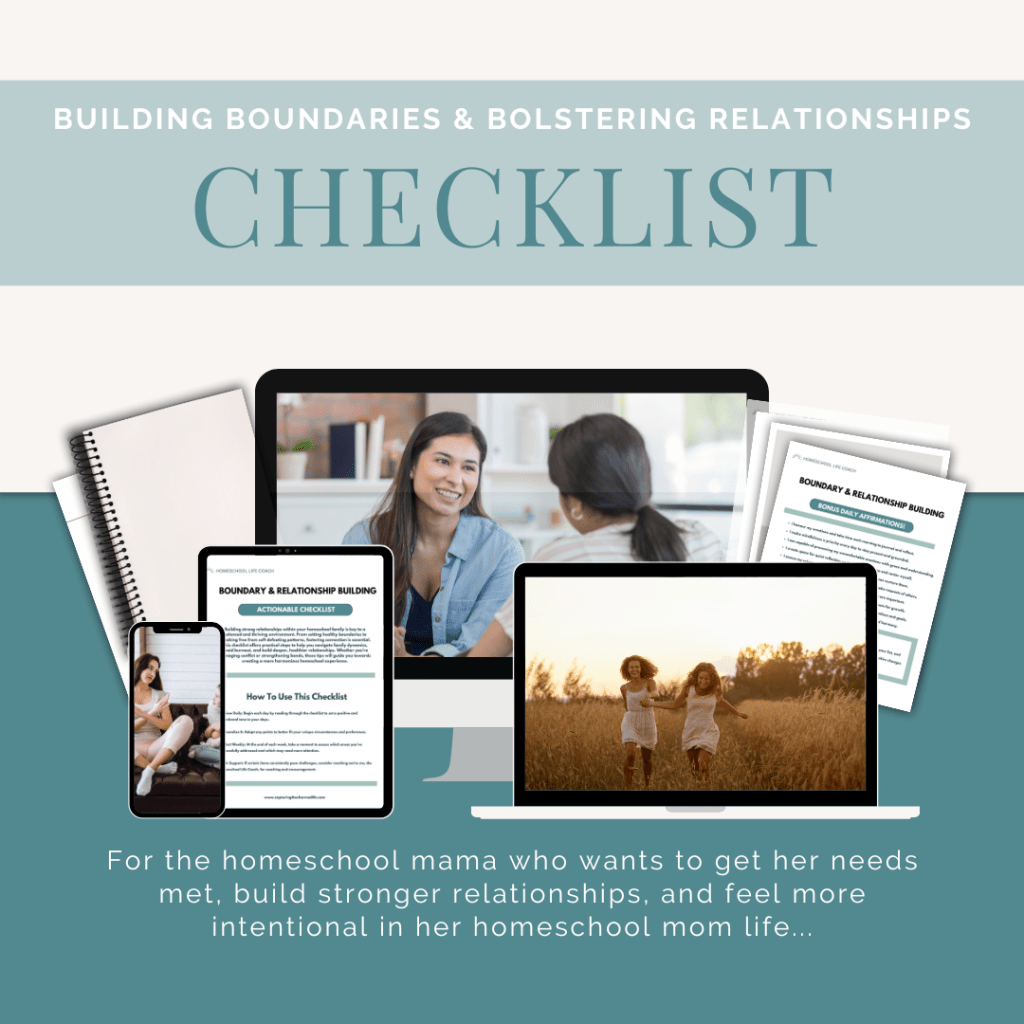
Are you ready to take the next step in building stronger boundaries and healthier relationships? Download the Boundary Building Checklist for Homeschool Moms to get started today!

Want Support on This Healing Journey?
If you’re ready to break cycles, build boundaries, and connect with your family in deeper, more authentic ways, you’re not alone. I’ve created tools and spaces just for you:
🔸 Journaling Workbook
Uncover the beliefs that shaped your boundaries—and rewrite your story with intention.
🔸 Boundaries Checklist
A practical tool to assess your family dynamics and identify what’s working (and what’s not).
🧡 Your healing begins with one step.
Final Thoughts
Healing the Mother Wound isn’t about blame. It’s about reclamation. It’s about becoming the kind of mother who feels whole in her body, clear in her voice, and safe in her own home.
You’re not just homeschooling your kids—you’re reparenting yourself. And that work? That’s legacy work.
So show up imperfectly. Speak your truth. Build the boundaries you weren’t taught. And let your homeschool family become a living testament to what healing looks like.
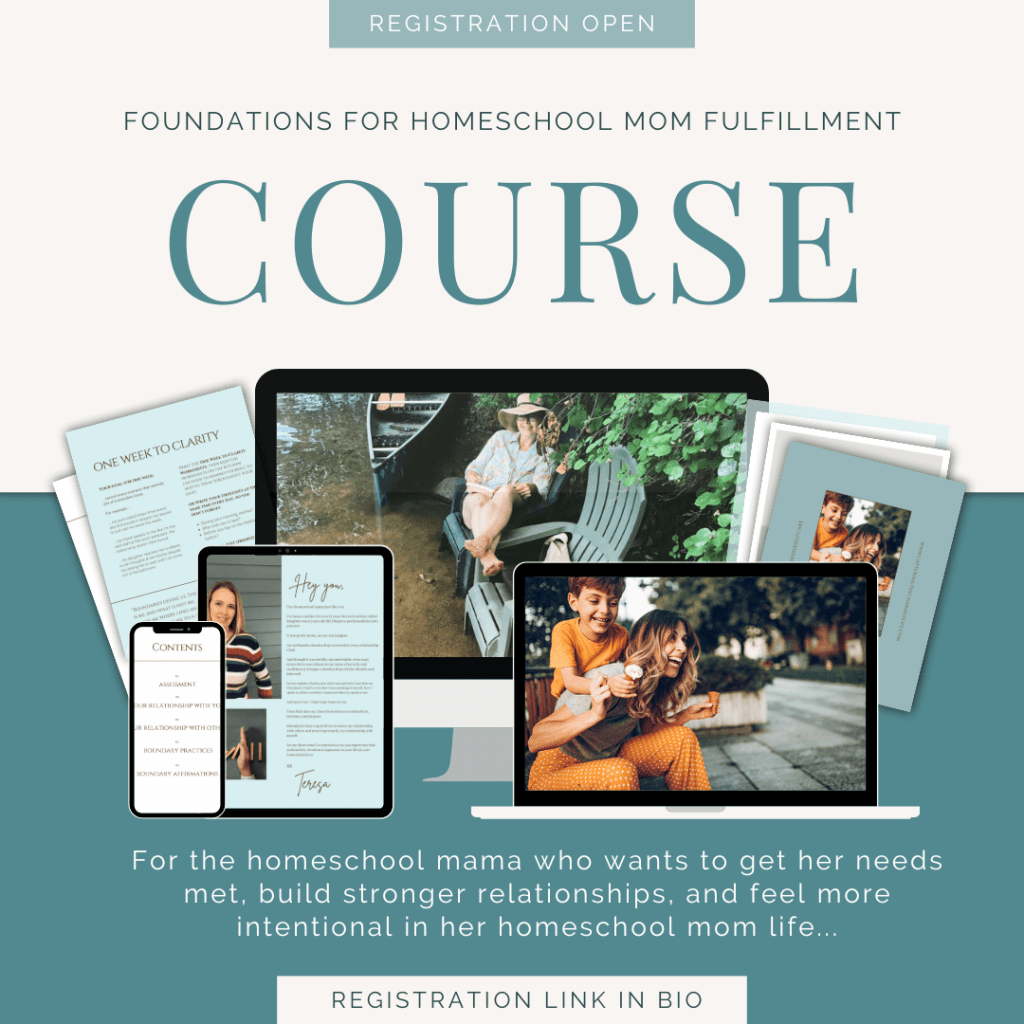
Building Boundaries for Homeschool Mama Coaching Course
Begin a transformative journey with the self-directed course, “Foundations of Homeschool Mom Fulfillment: Building Boundaries for the Homeschool Mama.” Tailored for homeschool mamas seeking fulfillment, stronger relationships, and intentional living, this course empowers you to clarify your needs, navigate relationship challenges, and rediscover your identity. With practical tools and actionable steps, this course is designed to address boundary challenges, foster stronger connections, and guide you toward becoming a more intentional and fulfilled version of yourself.
People also ask:
- Build Boundaries in Your Homeschool (& Life) Journaling Workbook
- How to Develop Boundaries in your Homeschool Life
- Homeschool Mom Boundaries: 6 Truths That Will Set You Free
- 7 ways to find quiet & build boundaries in your homeschool
- Homeschool Kids are the Audience to the Homeschool Marriage
- Healing the Mother Wound for Homeschool Moms
- Foster Strong Relationships in Your Homeschool Family
- Building Boundaries for Homeschool Mama Coaching Course
- A Guide to Healthy Relationships in Your Homeschool
- Confident Homeschooling: Mastering Your Boundaries
- Practical (& useful) steps to boundaries in your homeschool
- Discovering the Benefits: Co-Educating with Daddy
- Building Boundaries and Requiring Time Outs with Stacy Wilson
- 7 Practical Boundaries for Homeschool Moms to Protect Energy & Time
- homeschool family harmony: the invisible education in an imperfect family
- 9 Typical Homeschool Mom Boundary Challenges & How to Overcome Them
- Homeschool Mom Boundary Issues? You’re Not Doing This…
- A Homeschool Mom Podcast for Boundary Breakthrough
- How to Homeschool Better (& Why Do you Want to?)
- 7 Effective Tools to Build Boundaries (& Why You Require Them)
- Burnout to Balance: How Boundaries Changed My Homeschool Life
- Relationship Revolution: Level Up Your Homeschool Mom Connections!
Book your free Aligned Homeschool Reset Session
I help homeschool moms trust themselves, edit expectations, and make intentional choices that create a more confident, connected, and present homeschool life.
Subscribe to the Confident Homeschool Mom podcast
